Key Takeaways
- Contextual Appeal: Integrating your items into real-world scenarios through product photography lifestyle creates emotional connections that drive higher e-commerce conversions.
- Clear Definition: To define lifestyle photography, it is the art of showcasing products in action, emphasizing how they are used in daily life rather than just what they look like.
- Strategic Choices: Deciding between lifestyle product photography with models versus creative prop usage depends entirely on your brand identity and target audience.
- AI Revolution: Advanced AI solutions are replacing expensive traditional photoshoots, allowing brands to generate stunning lifestyle imagery effortlessly.
Introduction: The Power of Context in Modern E-commerce
In today’s hyper-competitive digital marketplace, a standard white-background image is no longer enough to capture a buyer's attention. Consumers want to know how a product fits into their daily routines. This is where product photography lifestyle comes in. By placing your product in a relatable, real-world setting, you bridge the gap between a digital screen and physical reality, allowing potential buyers to visualize the item in their own lives.
Whether you are selling luxury watches, everyday cosmetics, or high-tech gadgets, mastering product and lifestyle photography is essential for building brand identity and increasing sales.
1. The Definition of Lifestyle Photography
If you want to formally define lifestyle photography, it is a genre of photography that aims to capture people in situations, real-life events, or milestones in an artistic manner. When applied to e-commerce, the definition of lifestyle photography shifts slightly to focus on the product acting as the star of a relatable scenario.
Lifestyle Imagery vs. Traditional Studio Shots
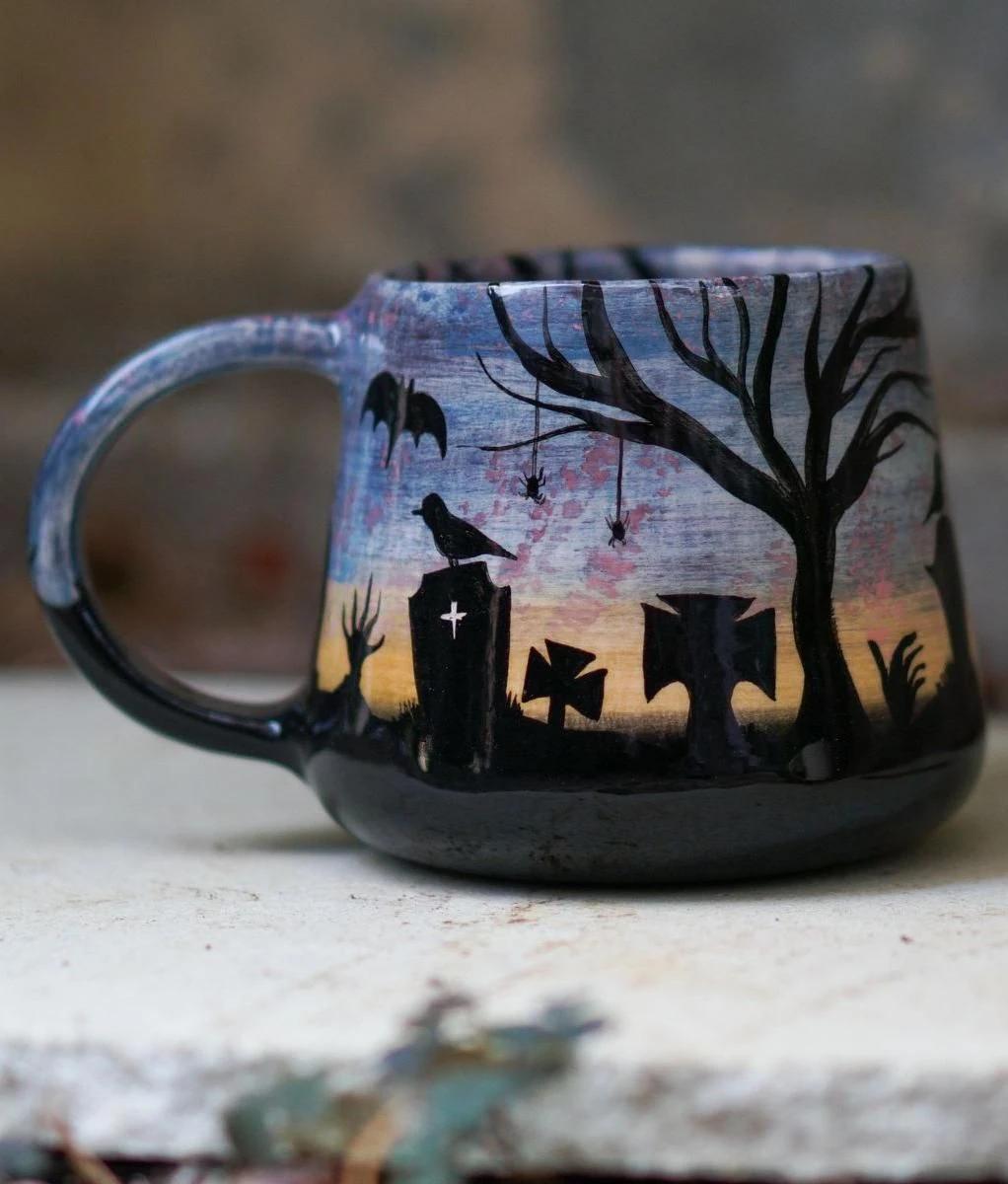
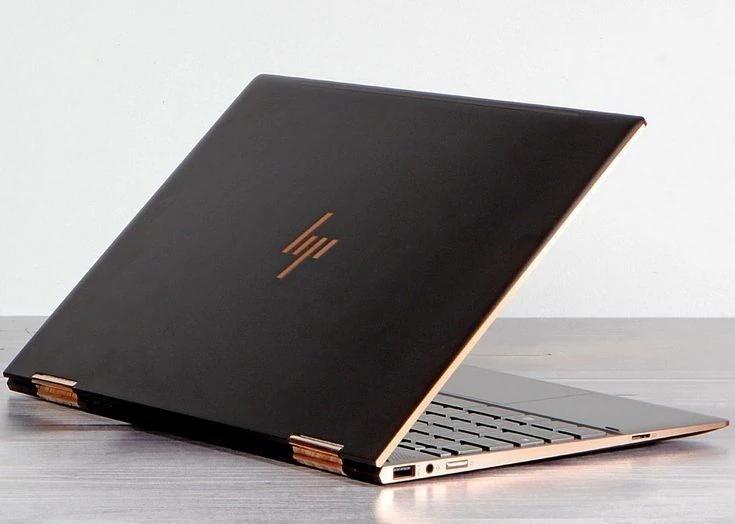
- Traditional Studio Shots: Focus purely on the product's physical attributes. Shot on a stark white or transparent background, these images are analytical, devoid of context, and designed to show every factual detail.
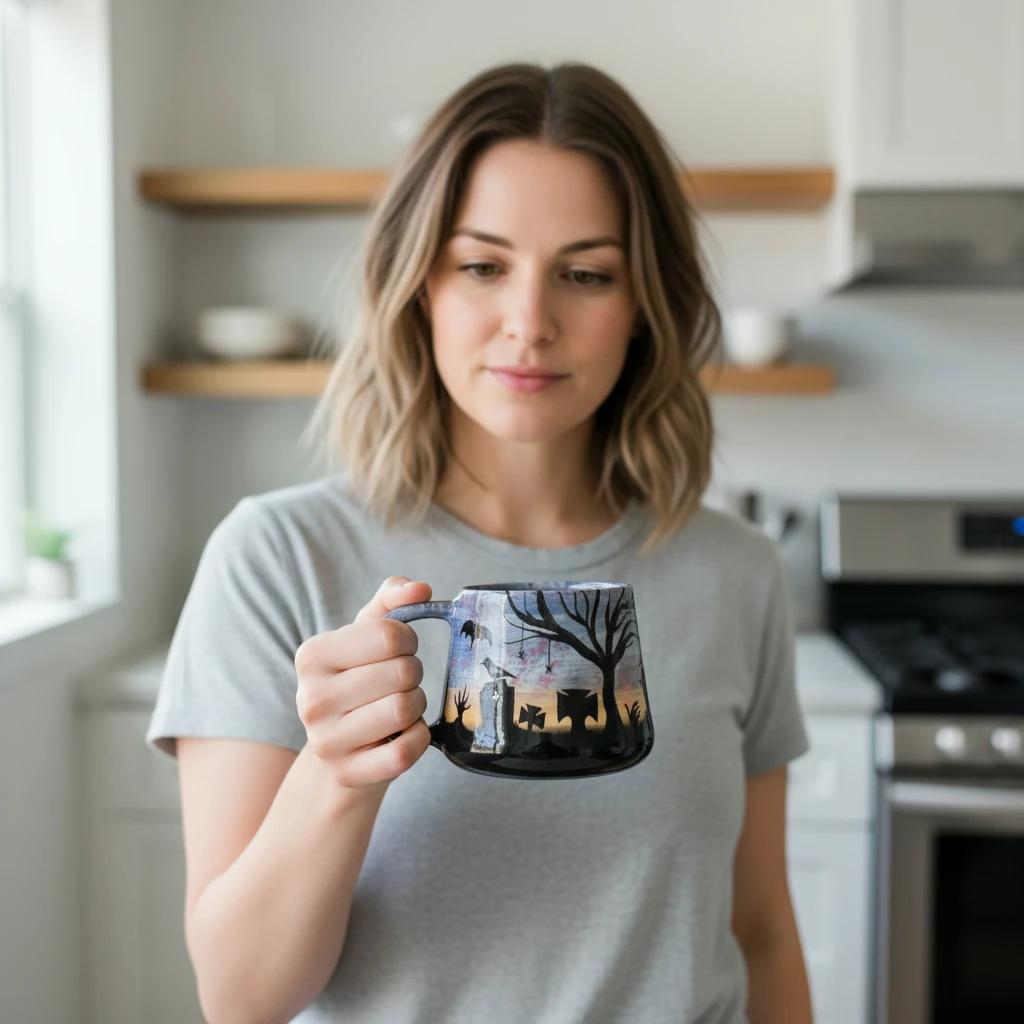
- Lifestyle Imagery: Focuses on the experience of the product. It uses backgrounds, lighting, props, and sometimes models to tell a story.
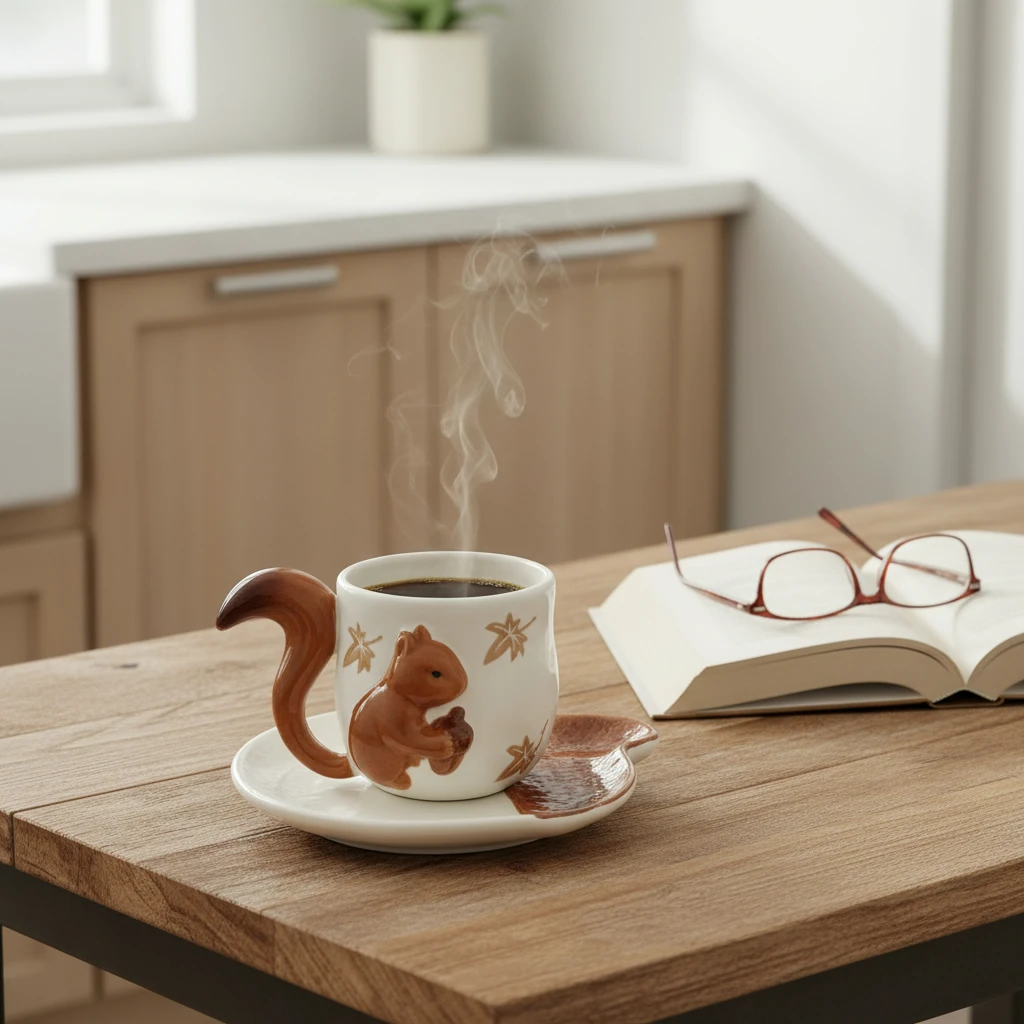
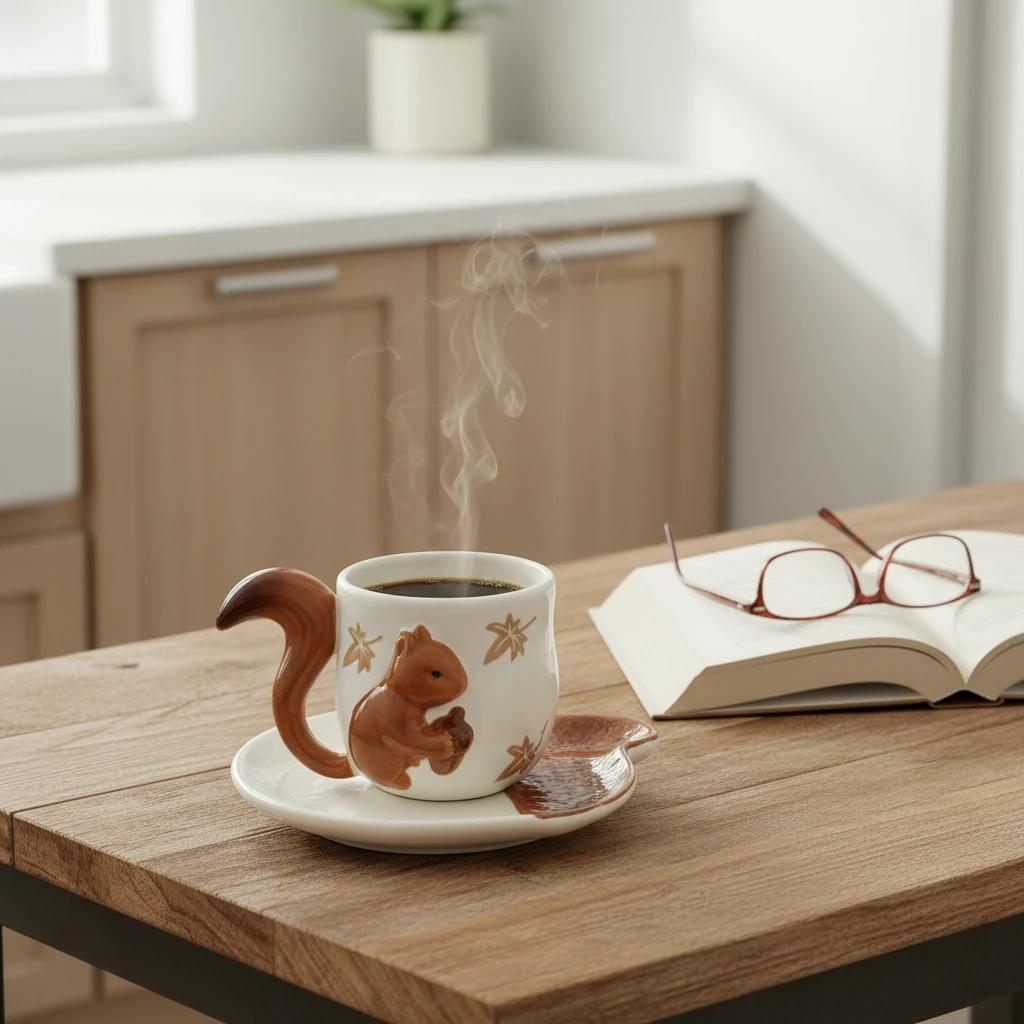
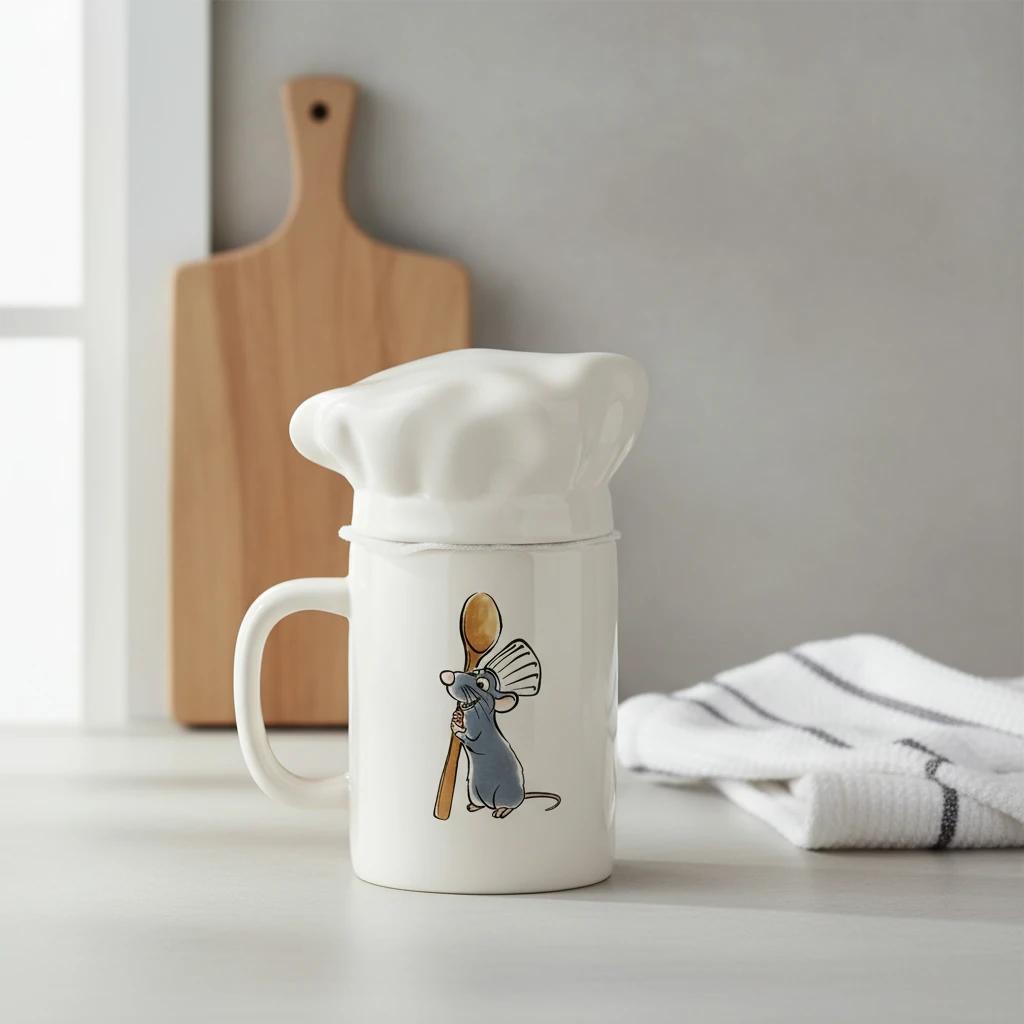
Instead of just showing a coffee mug, lifestyle product photos show that mug steaming on a rustic wooden table next to an open book—instantly selling the feeling of a cozy Sunday morning.
2. Why Lifestyle Imagery Converts
Why do brands invest so heavily in a lifestyle photography product strategy? Because human beings are emotional buyers.
- Emotional Resonance: Lifestyle photos evoke feelings. A well-crafted image can make a customer feel relaxed, adventurous, or sophisticated, associating those emotions directly with your product.
- Scale and Proportion: Seeing a product in a real environment provides immediate, intuitive context for its size—something isolated studio shots struggle to convey.
- Brand Storytelling: Consistent lifestyle visuals help build a cohesive brand narrative, making your company memorable in a sea of generic competitors.
3. Product Lifestyle Photography with Models vs. Props
When planning your shoot, you generally have two paths for your product lifestyle photography: using human models or relying on environmental props.
Lifestyle Product Photography with Models
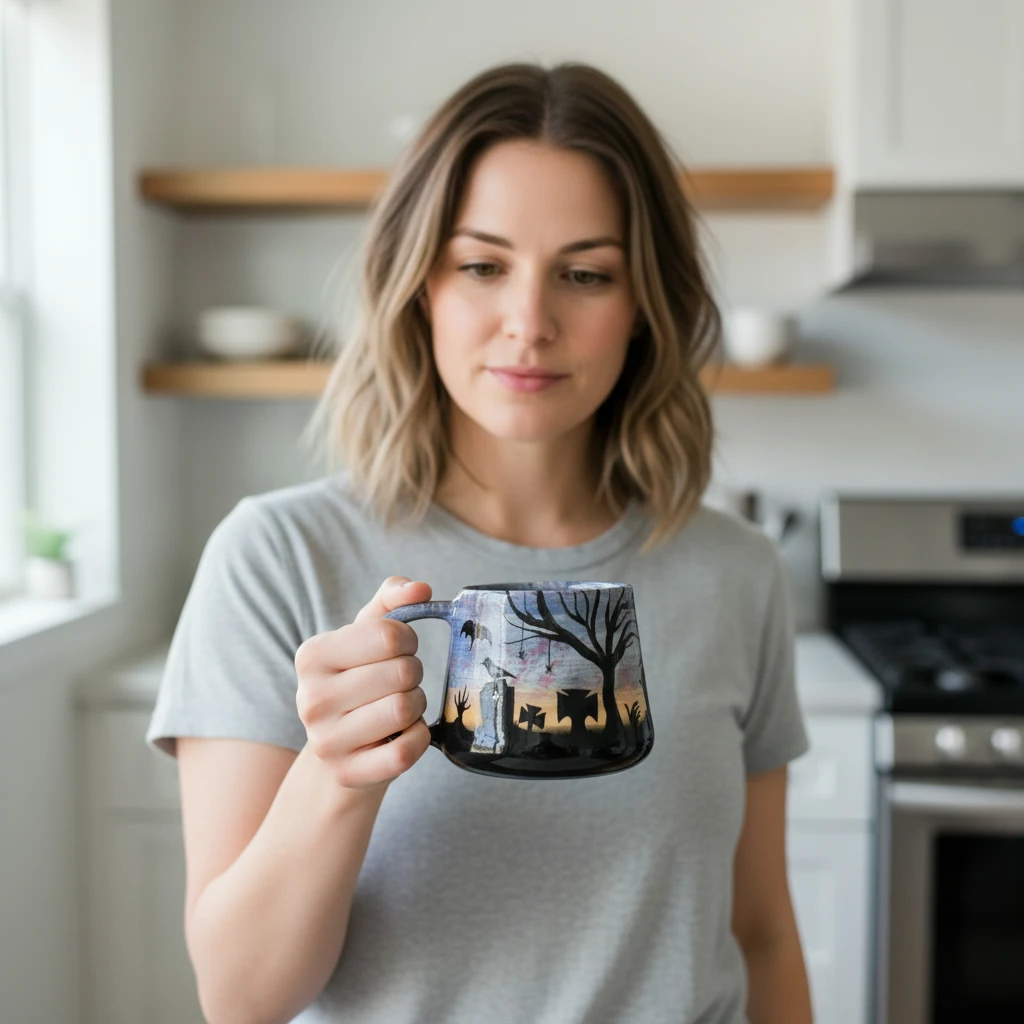
Using models is highly effective for apparel, wearables, and cosmetics. It allows consumers to see the fit, scale, and realistic application of the product. It humanizes the brand and provides a direct aspirational figure for the customer.
Prop-Based Lifestyle Photography
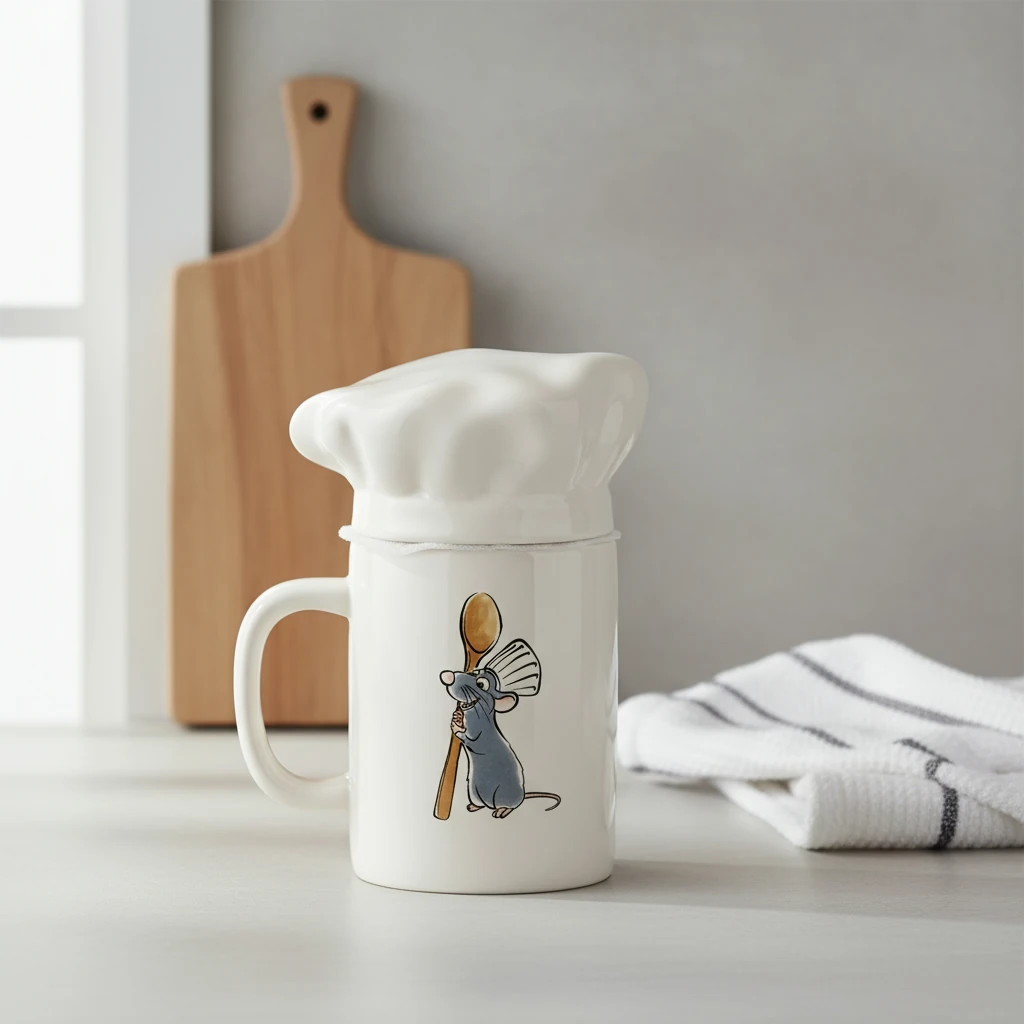
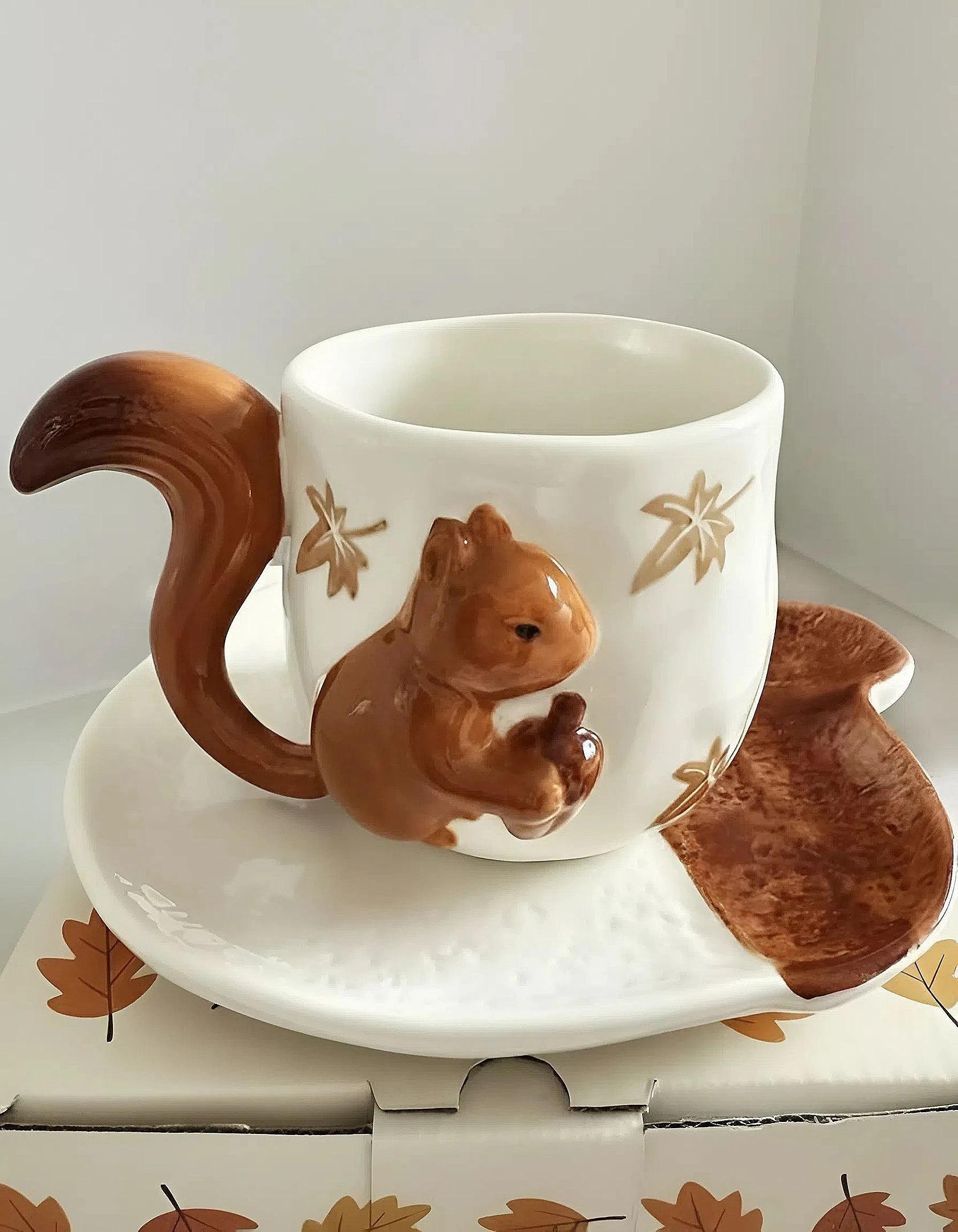
For items like home decor, electronics, or packaged food, styled environments using props can be equally powerful. This approach focuses on curating a specific aesthetic—like placing a sleek smart speaker on a minimalist modern desk.
Pro Tip: Whether using models or props, ensure your lighting is flawless. If you struggle with shadows or exposure, our Professional Product Photo Editing Guide offers excellent techniques to salvage and enhance your shots.
4. Technical Setup & AI Integration
Historically, achieving high-quality product and lifestyle photography required renting locations, hiring models, sourcing props, and managing complex lighting setups. Today, technology has democratized this process.
The Traditional Setup
If you are building a physical set, you need to understand camera angles, natural versus artificial lighting, and set design. For beginners looking to build their own physical studio space on a budget, check out our comprehensive DIY Product Photography Setup guide.
The AI Advantage
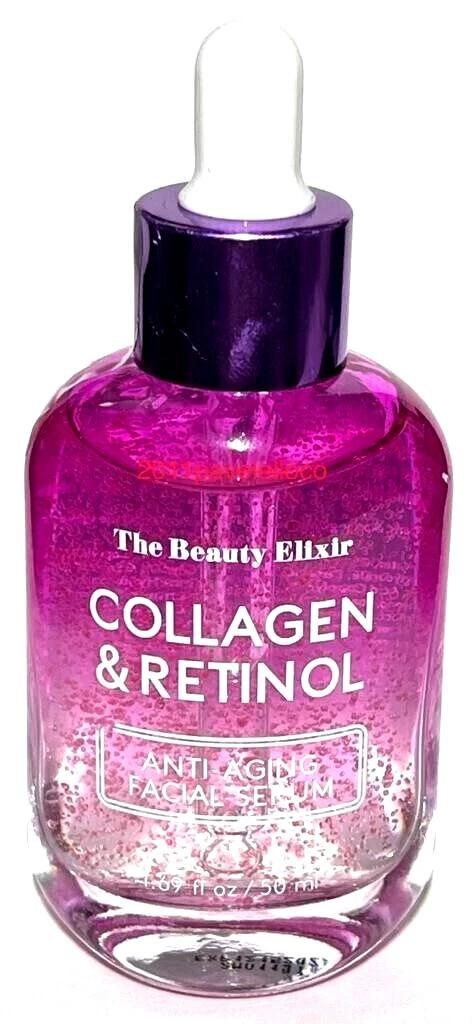
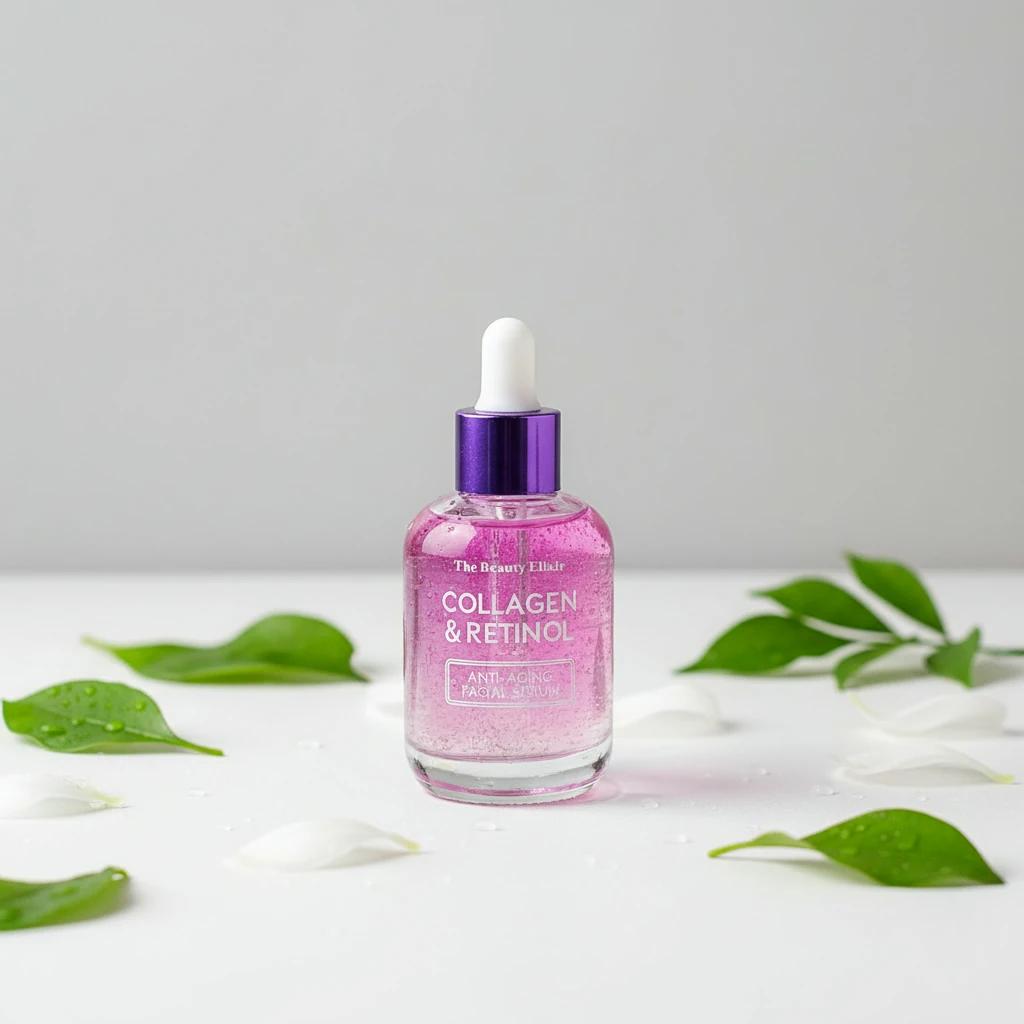
AI is fundamentally transforming how we create lifestyle imagery. Tools like LumaBox allow you to take a basic product photo and instantly seamlessly integrate it into any lifestyle scene imaginable.
- Intelligent Relighting: AI doesn't just paste your product onto a background; it recalculates shadows and reflections to match the new environment perfectly.
- Fixing Mistakes: Did your raw photo turn out too dark or unevenly lit? You can easily Fix Bad Lighting in Product Photos with AI before generating your final lifestyle scene.
5. Industry Examples
Different industries leverage product lifestyle photography in unique ways:
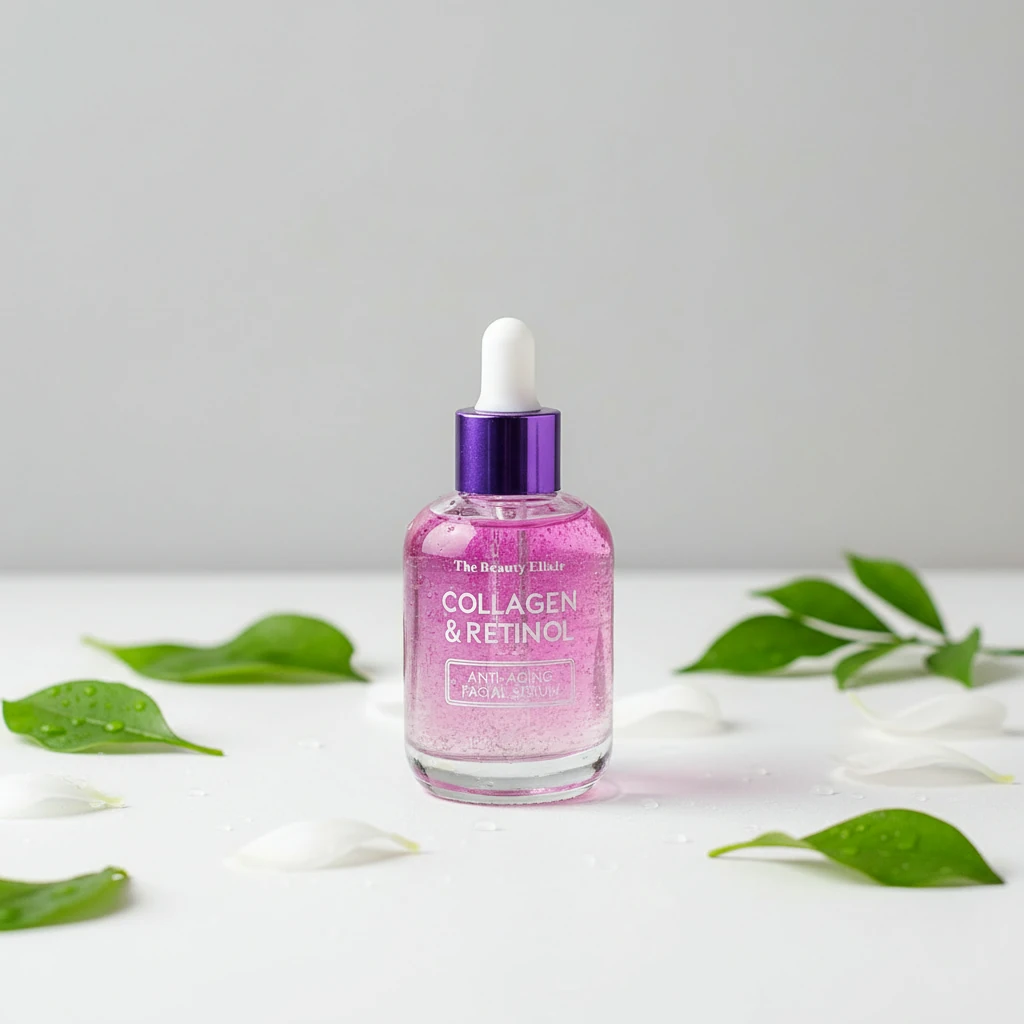
- Skincare & Beauty: These products thrive in clean, refreshing environments (like marble bathroom counters with natural sunlight). For a deep dive into this niche, read our guide on Professional Skincare Product Photography with AI.
- Jewelry: Lifestyle shots for jewelry often involve elegant models wearing the pieces in sophisticated settings, or macro shots with luxurious textures. Explore more in our post about Jewelry Photography Backgrounds.
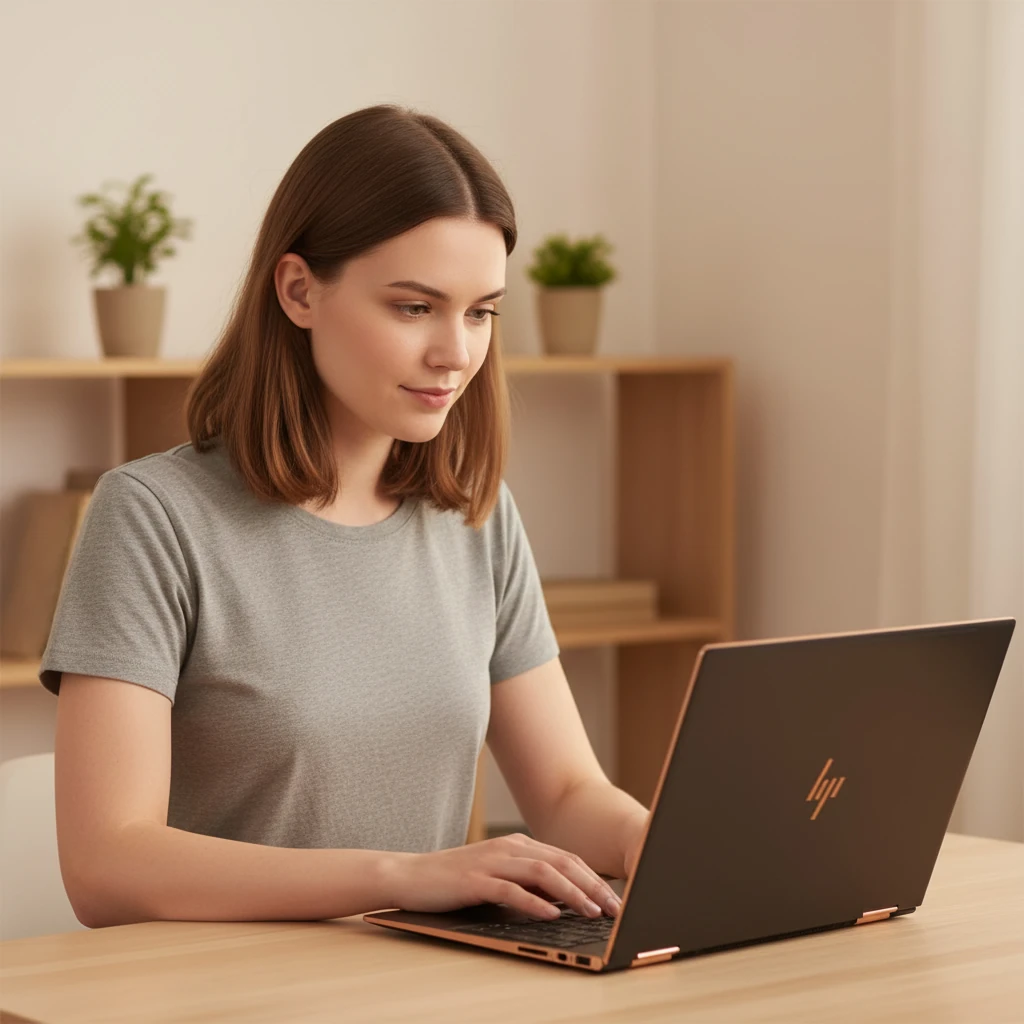
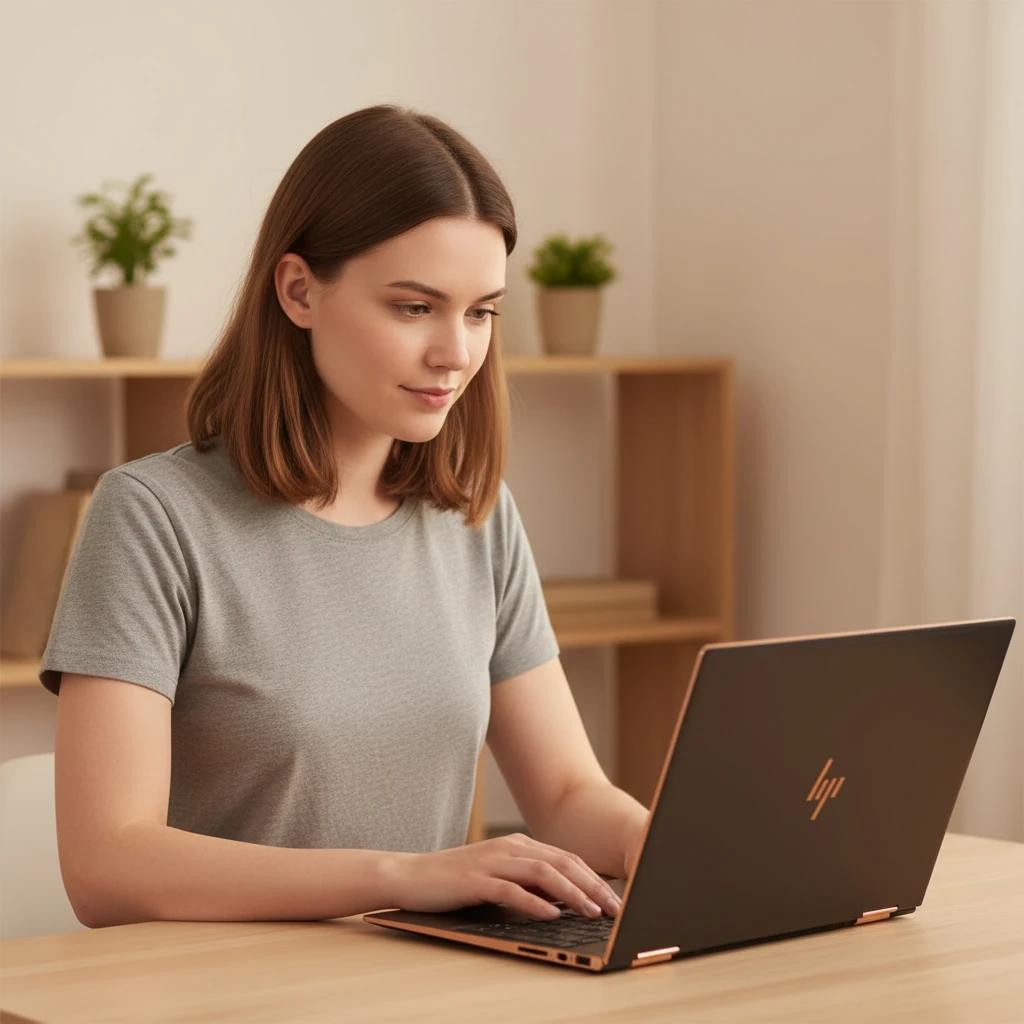
- Consumer Tech: Gadgets are best shown "in action"—a smartwatch on the wrist of a runner, or a laptop in a trendy coffee shop, emphasizing lifestyle integration and productivity.
Conclusion
Mastering product photography lifestyle is no longer optional for serious e-commerce brands; it is a necessity. By providing context, scale, and emotional resonance, lifestyle product photos transform casual browsers into confident buyers. Whether you choose traditional photography methods or leverage the speed and versatility of AI tools like LumaBox, investing in high-quality lifestyle imagery will undeniably elevate your brand and drive your sales forward.
FAQ (Frequently Asked Questions)
What is the main difference between product photography and lifestyle photography?
Standard product photography focuses solely on capturing the item clearly, usually against a plain white background, to show its exact details. Lifestyle photography product images, however, place the item in a curated, real-world context to show how it is used and to evoke an emotional response.
Do I always need models for lifestyle product photography?
No. While lifestyle product photography with models is excellent for wearable items like clothing and jewelry, many products (like home goods, electronics, or food) can be styled beautifully using only relevant props and environmental backgrounds.
How can AI help with product lifestyle photography?
AI tools can automatically remove plain backgrounds and place your products into hyper-realistic, AI-generated environments. This saves thousands of dollars in location scouting, prop buying, and photoshoot logistics, allowing you to generate diverse lifestyle product photos in minutes.
What makes a good lifestyle imagery setup?
A successful setup features a consistent brand aesthetic, realistic and high-quality lighting (or accurate AI relighting), and props that complement—rather than distract from—the main product. The scene should tell a clear, relatable story to your target demographic.