Key Takeaways
- Macro Mastery: Capturing the intricate details of earrings requires specific macro capabilities and stable positioning.
- Lighting Logic: Soft, diffused light is non-negotiable for minimizing harsh reflections on metal and stones.
- AI Advantage: Use LumaBox to instantly generate high-end, contextual backgrounds without expensive props.
- Styling Strategy: Balance clean product shots with lifestyle context to boost buyer confidence and click-through rates.
In the world of e-commerce, earrings photography presents a unique set of challenges. Unlike larger products, earrings are often tiny, highly reflective, and intricate. Capturing their true beauty—the sparkle of a gemstone, the texture of hammered gold, or the delicate swing of a drop earring—requires precision and patience.
Yet, high-quality photos of earrings are the single most important factor in driving online jewelry sales. Customers need to see the details clearly to trust the quality and visualize the piece on themselves.
Whether you are a seasoned professional or a jewelry brand owner looking for earring inspiration, this guide will walk you through the essentials of shooting earrings and how AI tools like LumaBox are revolutionizing the workflow.
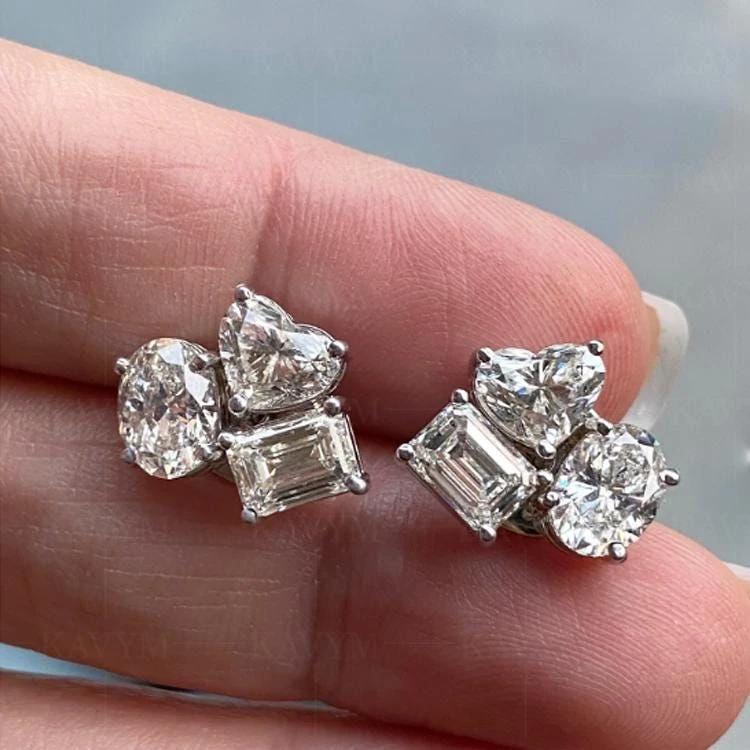
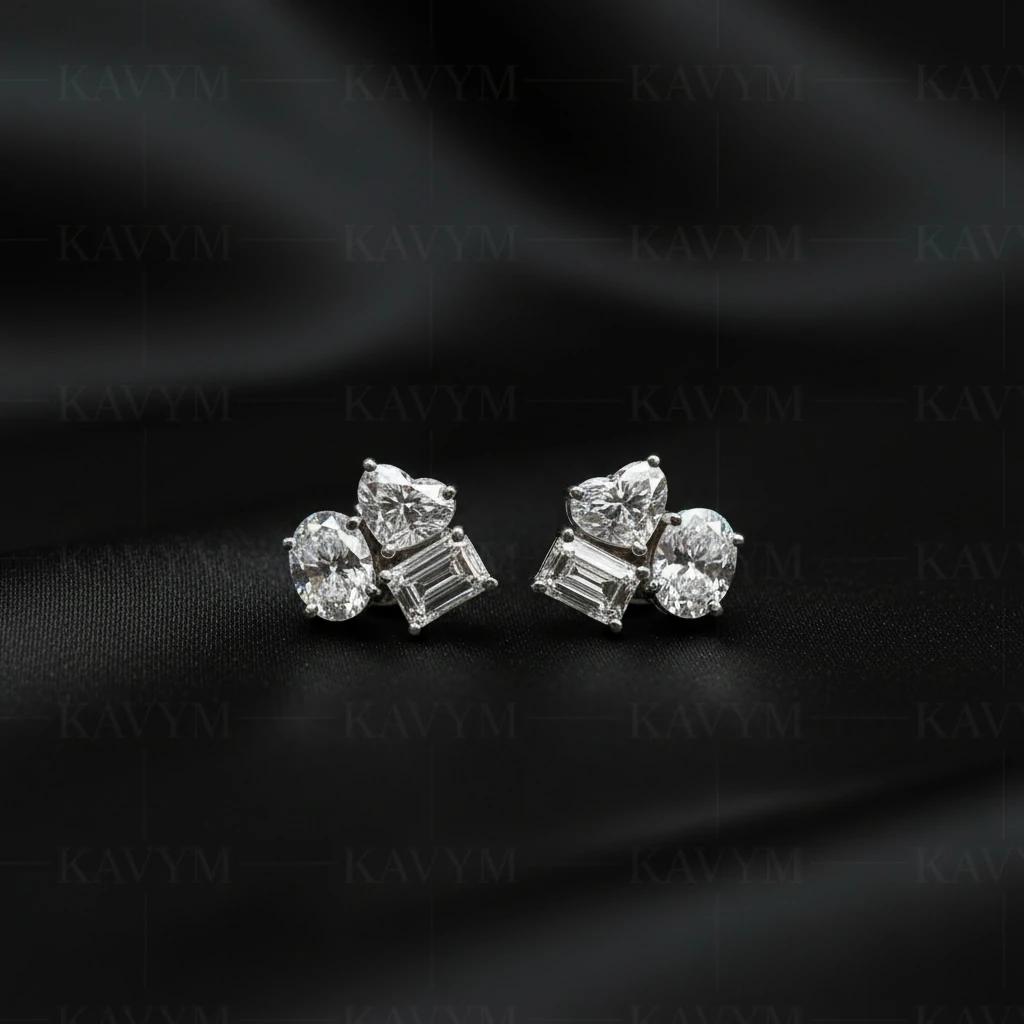
Why Professional Earring Photography Matters
When selling jewelry online, your image is your sales pitch. A blurry or poorly lit earring photo can make even the most expensive piece look cheap. Conversely, a crisp, professional image builds trust and desire.
- Detail is Trust: Shoppers want to see the clasp, the setting, and the backing. High-resolution images reduce return rates by managing expectations.
- Lifestyle Context: Seeing earrings in a "real" environment (even an AI-generated one) helps customers understand scale and style.
- Brand Perception: Consistent, high-quality visuals establish your brand as authoritative and premium.
Essential Gear for an Earrings Photoshoot
You don't need a five-figure studio to get started, but you do need the right tools for macro work.
- Macro Lens: Essential for capturing tiny details. If using a smartphone, a clip-on macro lens can work wonders.
- Tripod: Crucial for stability. At high magnification, even the slightest vibration causes blur.
- Diffusers: Soften your light source to avoid blinding "hot spots" on shiny metals.
- Props and Stands: Earring stands, acrylic blocks, or simple fishing line for "floating" shots.
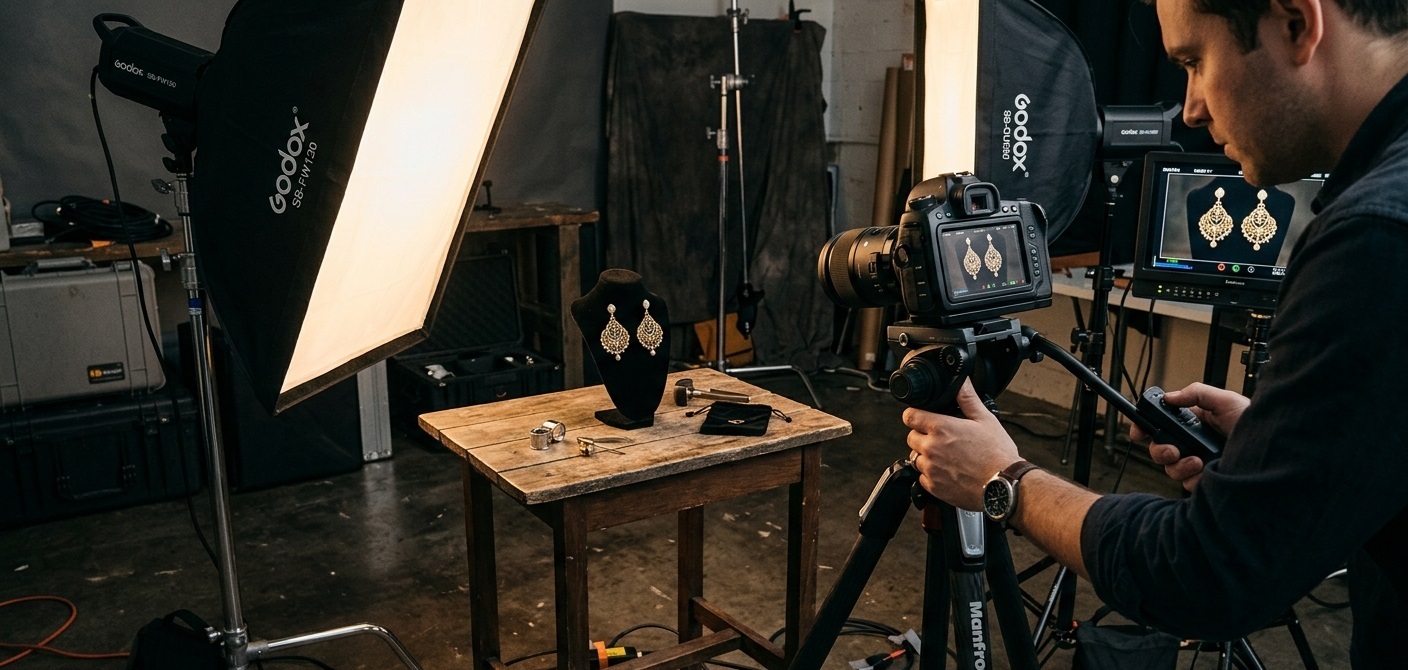
Lighting Techniques: Taming Reflections
Lighting is the make-or-break factor in jewelry photography. The goal is to illuminate the piece without creating distracting glare.
Soft, Diffused Light
Direct flash is the enemy of polished metal. Use large softboxes or diffusion panels to create a wash of light. This wraps around the earring, highlighting its shape without harsh shadows.
The "Sparkle" Light
For gemstones, you might need a secondary, harder light source positioned carefully to trigger the stone's refraction (sparkle) without washing out the metal.
- Pro Tip: If you're struggling with unwanted reflections, check out our guide on how to Fix Bad Lighting in Product Photos with AI for post-production rescues.
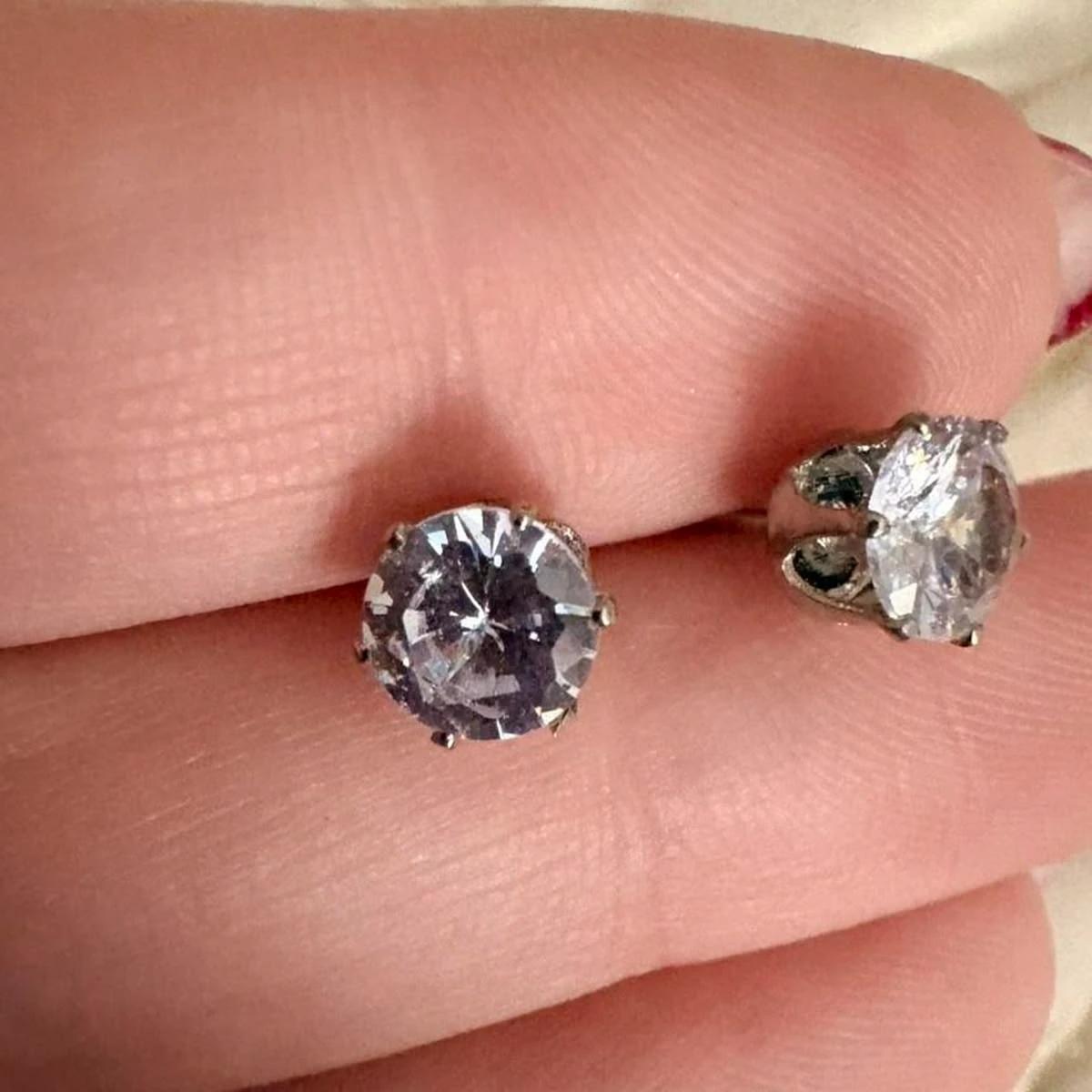
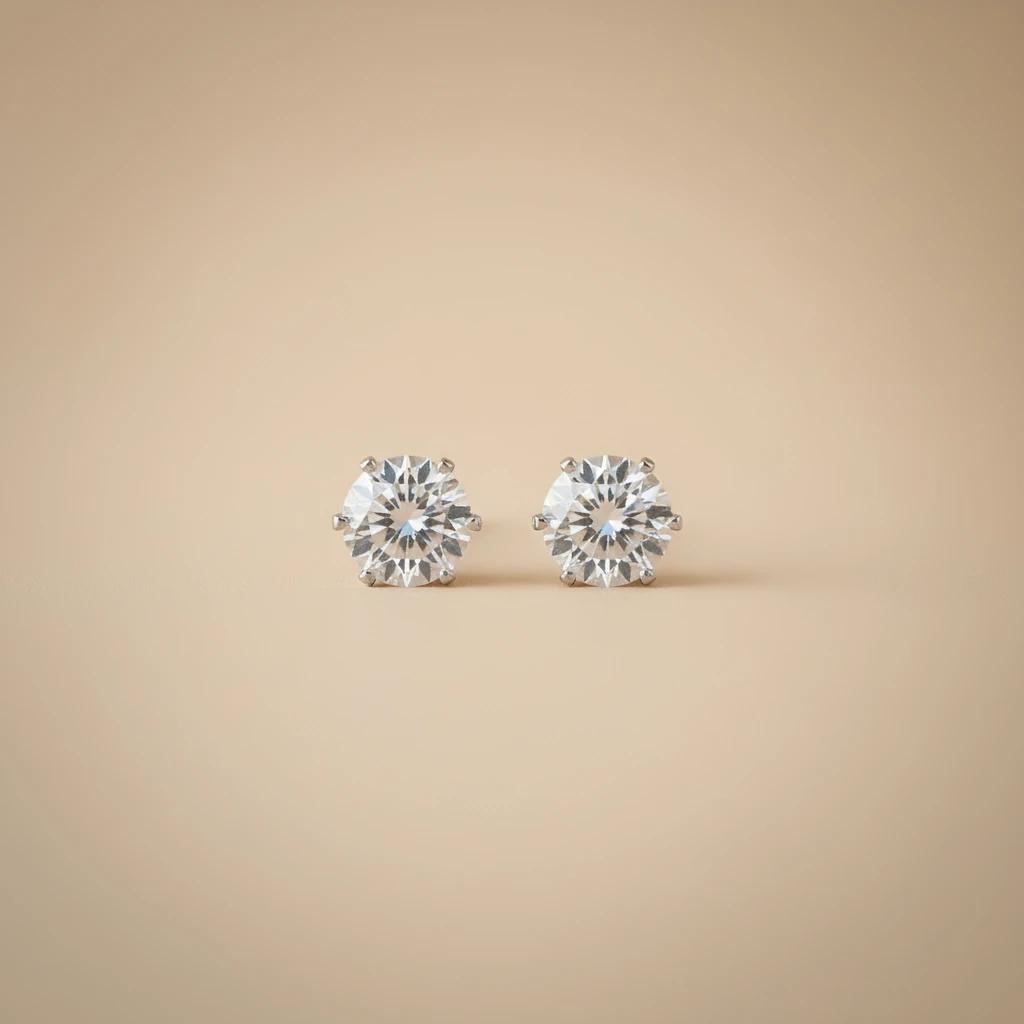
Styling and Composition: Finding Earring Inspiration
Great earrings photography isn't just about technical perfection; it's about storytelling. How you style the shot determines who it appeals to.
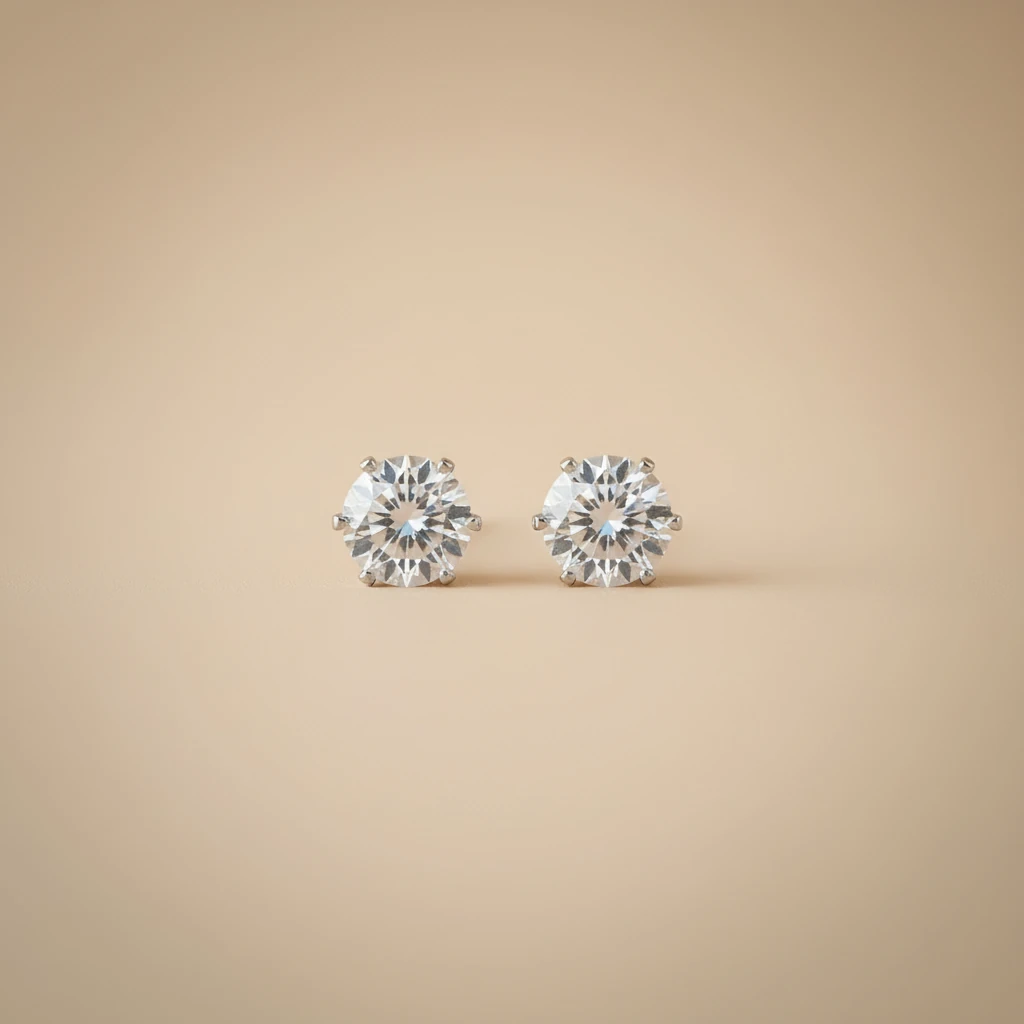
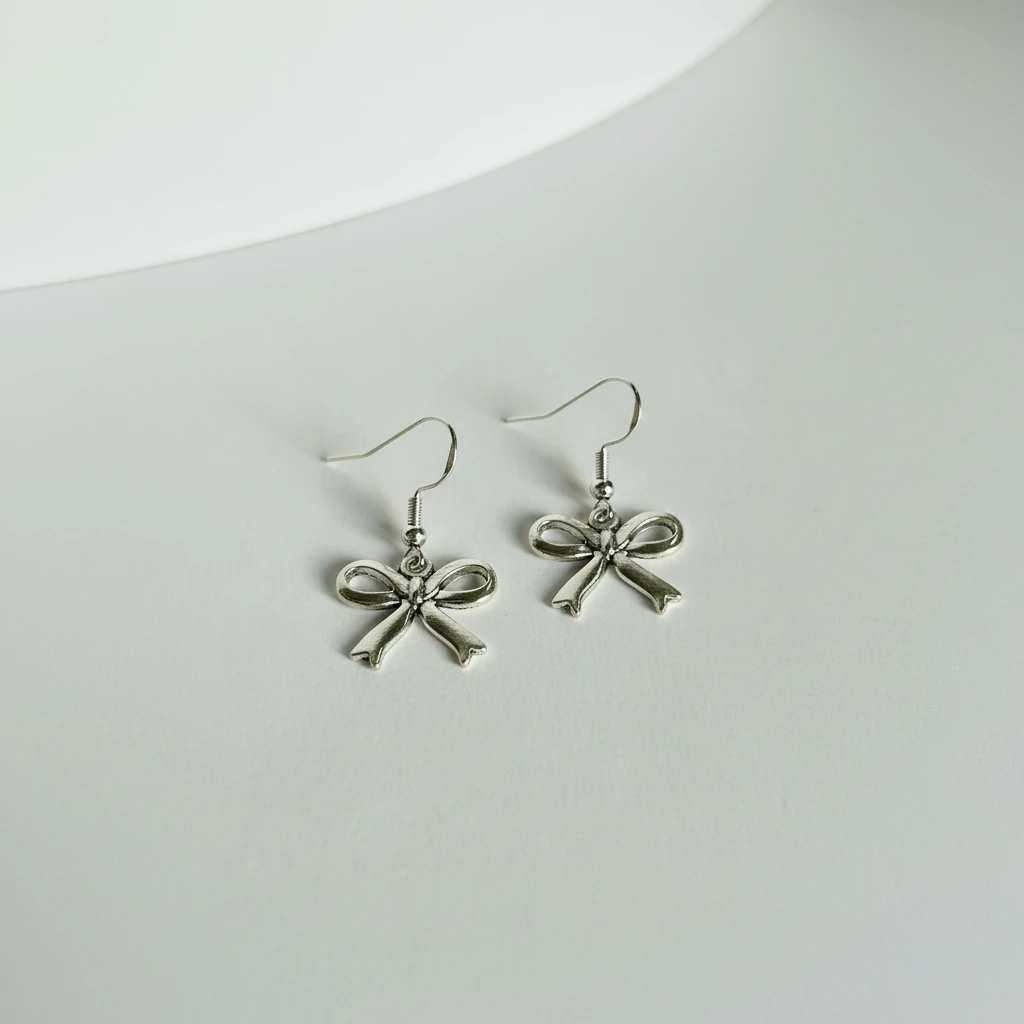
1. The Clean Product Shot (White/Neutral Background)
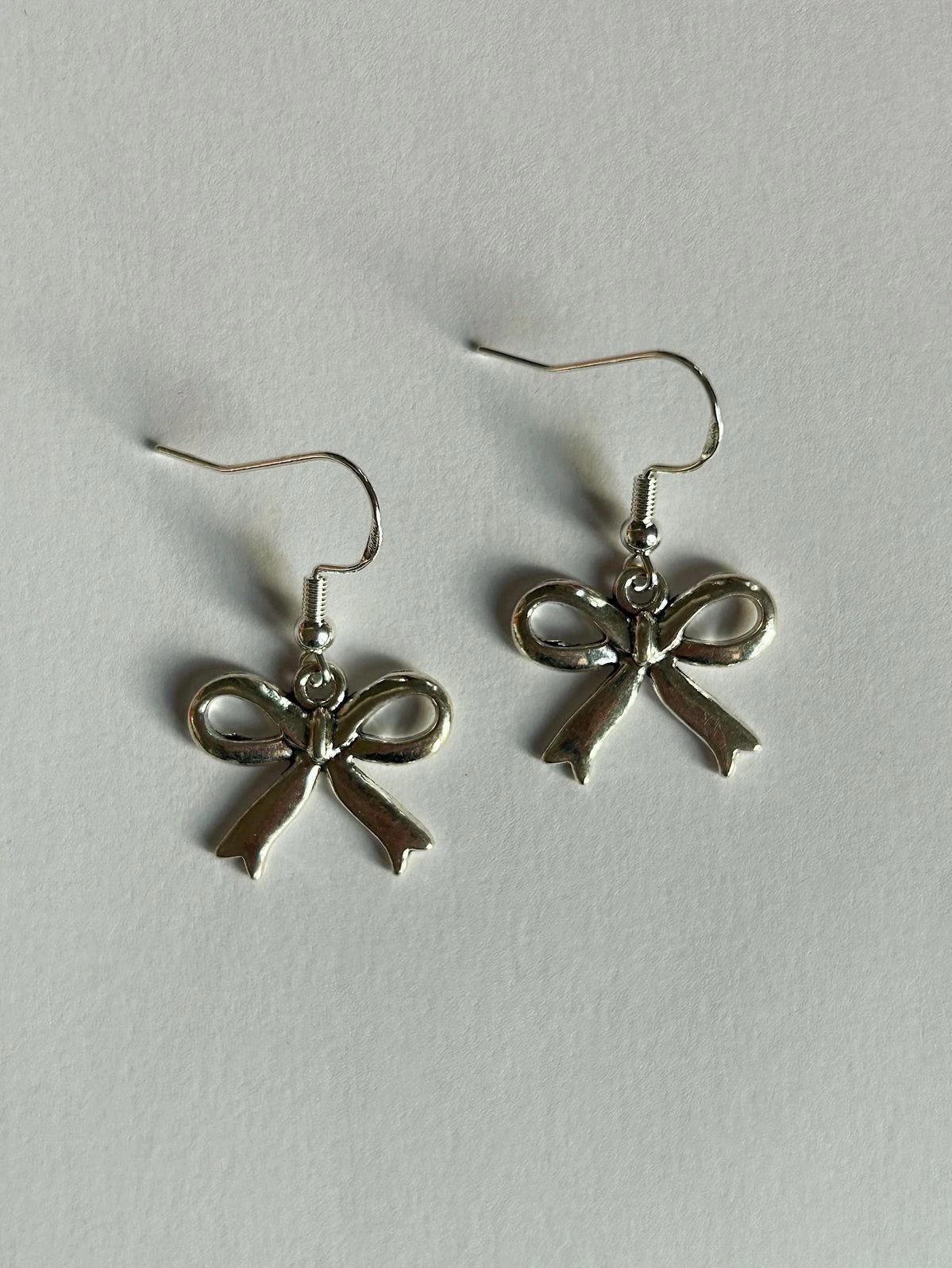
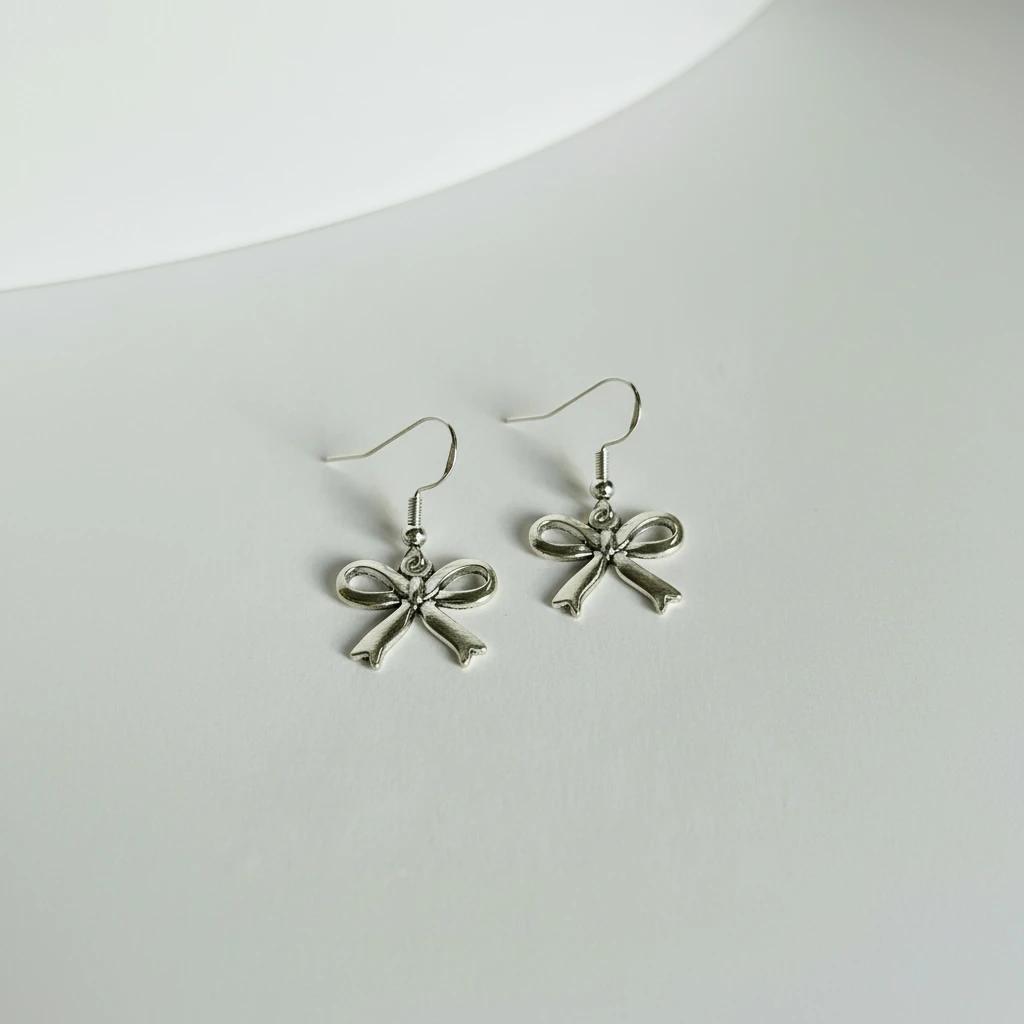
This is your "hero" image. It shows the product clearly with zero distractions. It's essential for collection pages and marketplaces like Amazon.
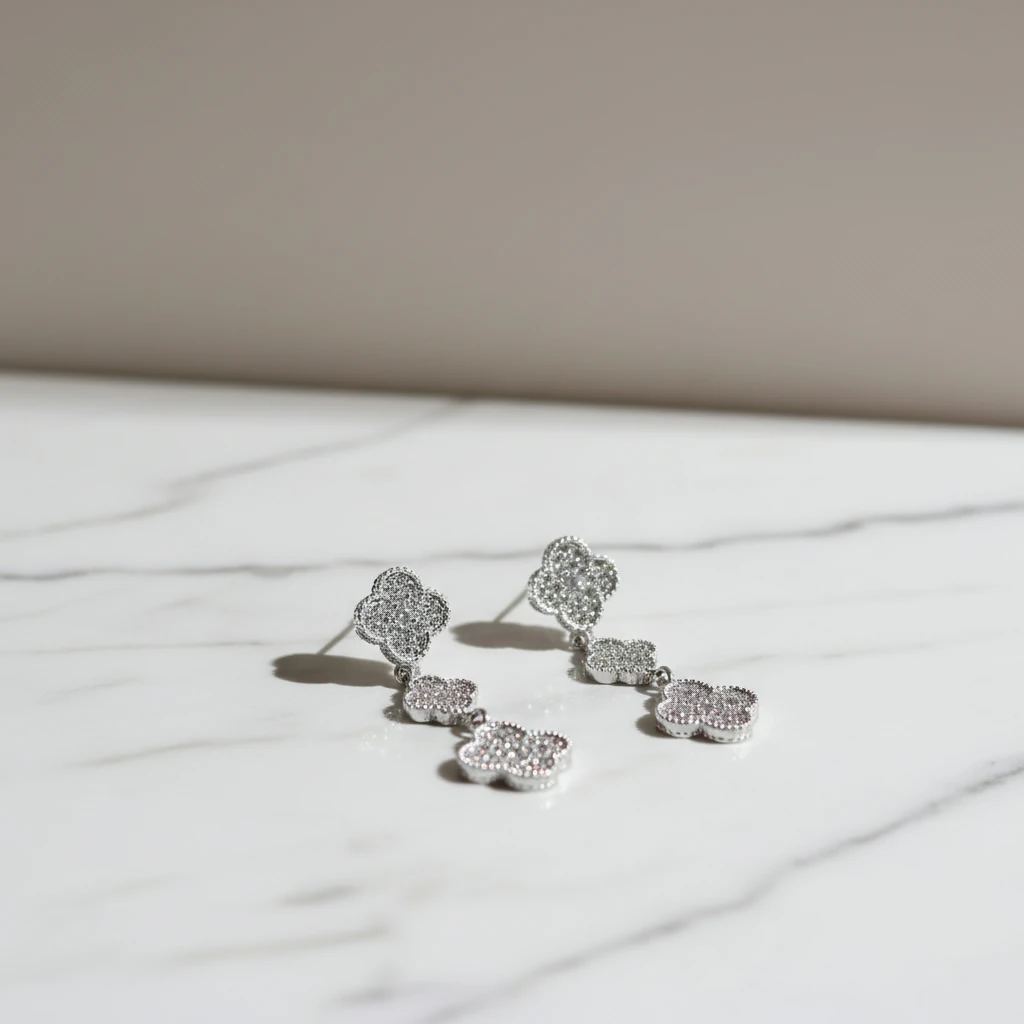
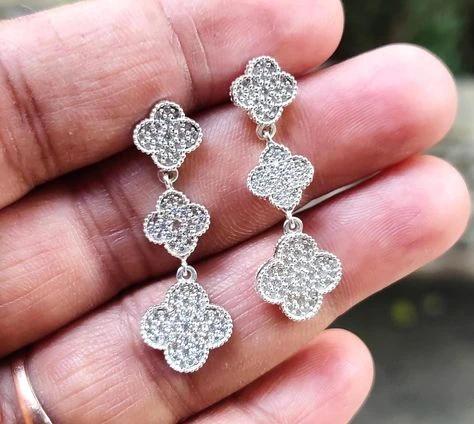
2. The Lifestyle Context
This is where you sell the dream. Instead of just showing the earring, show where it belongs. Is it an elegant evening piece? A boho festival accessory?
- Classic Elegance: Place pearl earrings on satin or velvet.
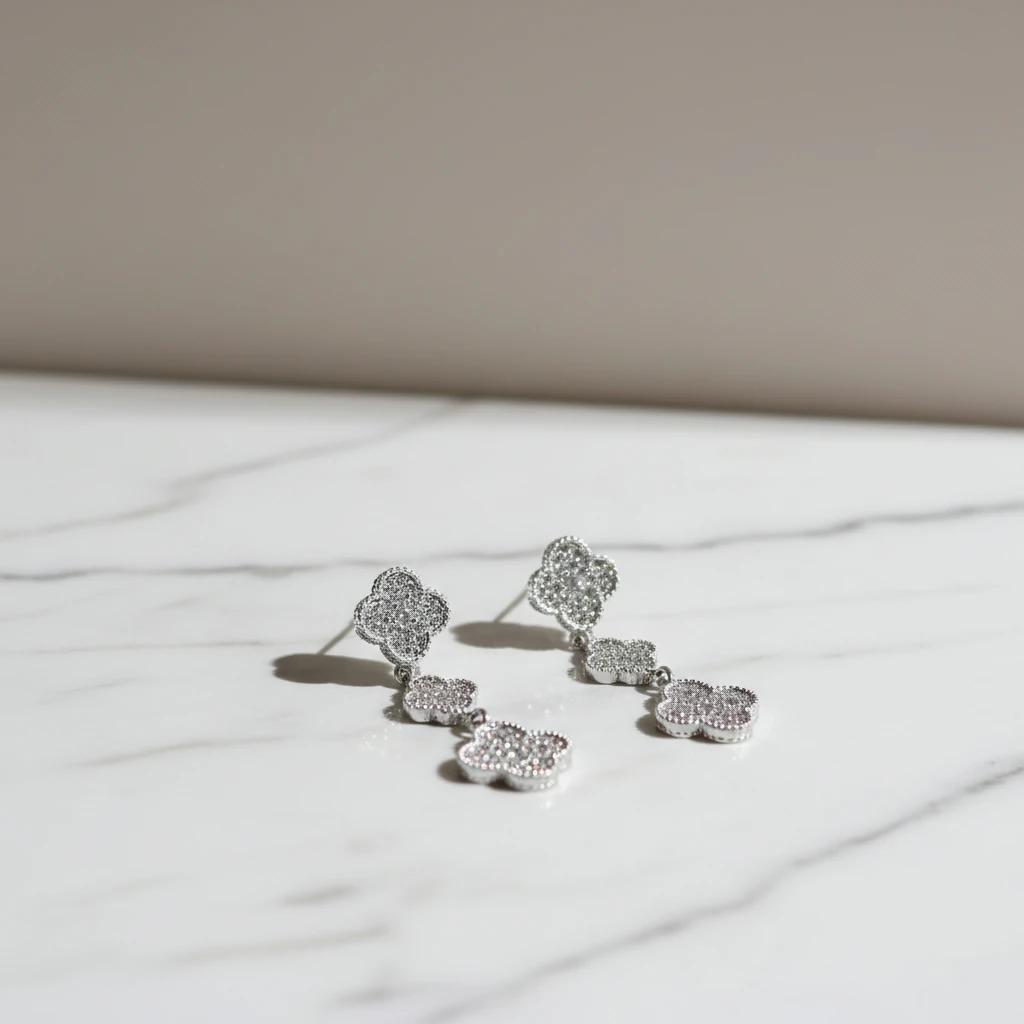
- Modern Vibes: Use concrete, slate, or marble textures.
- Creative Freedom: For more Jewelry Photography Backgrounds, explore using textured papers or AI-generated surfaces that complement the metal tones.
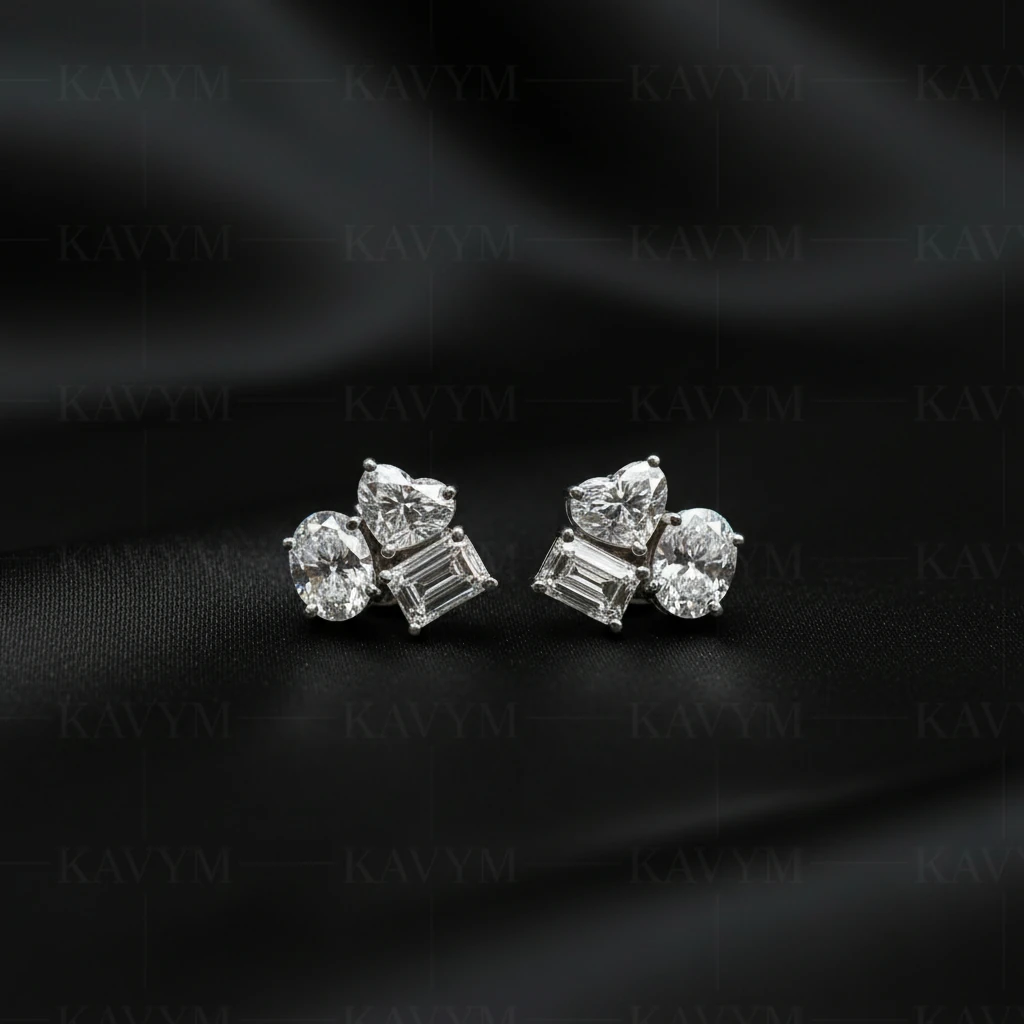
3. The "Black Background" Look
For gold and diamonds, a dark background creates a stunning contrast that screams luxury. It draws the eye strictly to the light-reflecting elements of the jewelry. Learn more about mastering Black Background Product Photography.
The AI Revolution: Perfect Earring Photos with LumaBox
Traditionally, achieving a variety of backgrounds for an earrings photoshoot meant buying expensive props (marble slabs, silk cloths, slate tiles) and spending hours setting up scenes.
LumaBox changes the game.
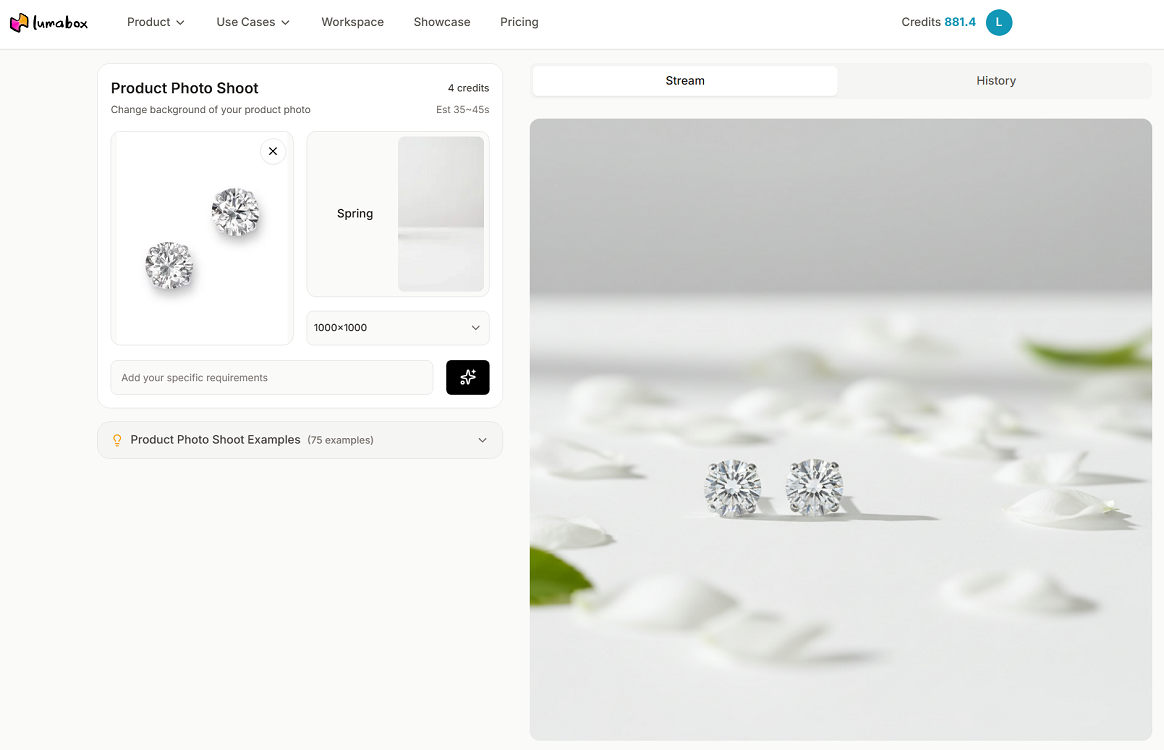
With LumaBox, you can shoot your earrings once on a simple background and then generate infinite high-quality settings that look 100% photorealistic.
How It Works:
- Upload: Take a sharp photo of your earrings.
- Prompt: Select a templte and describe the scene(optional)"Gold hoop earrings resting on a sunlit beige linen surface, soft shadows, high-end editorial style."
- Generate: LumaBox analyzes the lighting and perspective of your original earring photo and seamlessly integrates it into the new background, preserving natural shadows and reflections.
This allows you to test different aesthetics—minimalist, nature-inspired, or luxury—without reshooting a single frame.
Post-Processing: Polishing the Gem
Even the best shots need a little polish. Retouching is where good photos become great.
- Color Correction: Ensure the gold looks gold, not yellow or green.
- Dust Removal: Macro lenses reveal every speck of dust. Clean them up in post.
- Composite Stacking: For extreme close-ups, you might need to combine multiple focal points (focus stacking) to keep the entire earring sharp.
For a deeper dive into editing workflows, read our Professional Product Photo Editing Guide.
Common Mistakes to Avoid
- Inconsistent Angles: Keep your camera angle consistent across your collection for a cohesive look.
- Messy Backgrounds: If you aren't using AI, ensure your physical background is spotless.
- Over-Editing: Don't smooth the metal so much it looks like plastic. Keep the texture real.
If you are just starting out and working with limited equipment, our guide on DIY Product Photography Setup offers excellent low-budget hacks that apply perfectly to jewelry.
Conclusion
Mastering earring photography is a blend of technical skill and creative vision. By focusing on sharp focus, soft lighting, and compelling styling, you can elevate your brand's visual identity.
And remember, you don't have to do it all manually. Tools like LumaBox allow you to bypass the most time-consuming parts of styling and background creation, letting you focus on what matters most: designing and selling beautiful jewelry.
Ready to elevate your jewelry visuals? Start creating professional, high-converting earring photos today with LumaBox AI.